

When it comes to recording drums, the mic choice can either make your kit sound powerful and punchy or flat and messy. Dynamic or condenser? This debate rages because both have their strengths.
Universal Audio highlights that condenser mics offer a wider frequency range and heightened sensitivity—perfect for capturing the subtle nuances of vocals, acoustic instruments, or studio ambiance—but they’re also more fragile and rely on phantom power as against dynamic mics.
You don’t want to guess—your drum sound deserves a mic that suits your style, your environment, and your budget. Here’s the lowdown on what these mics do best and how to pick the winner for your studio or live setup.
What’s a Dynamic Drum Mic?
Dynamic mics are the tough guys of the studio and stage world. Built to take a beating, they:
- Use magnetic coils to translate vibrations into sound.
- Handle high sound pressure levels (SPL)—by that, they don’t distort when your drummer goes full throttle.
- Generally have narrower frequency ranges than condensers, focusing on the meat of the drum’s sound.
- Don’t need power to run; they’re plug-and-play reliable.
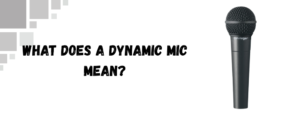
Famous workhorses like the Shure SM57, or affordable and sturdy units like the Behringer XM8500 lean into this design for capturing snare hits, tom thuds, and kick drums that punch through the mix without fuss or frills.
What’s a Condenser Drum Mic?
Condenser mics are the audiophile’s choice—precise, sensitive, and detailed. They:
- Use a charged diaphragm and phantom power to catch subtle vibrations.
- Offer wider frequency response and can capture nuances, like cymbal shimmer or snare crisps.
- Are more delicate, needing careful handling.
- Typically require phantom power from your mixer or audio interface.
Mics like the 5 Core Condenser Drum Mic give studio drummers crystal-clear highs and natural dynamics, especially for overhead or room miking where capturing a drum set’s full vibe matters.
Product Spotlight: What These Mics Actually Offer
5 Core Cardioid Dynamic Instrument Microphone
This 5 Core Instrument Microphone is the workhorse you want for live kits and rough studio sessions. It brings:
- Cardioid Pickup: Focused on what’s right in front—kills feedback and ignores bleed from nearby drums.
- Rugged Metal Construction: Toss it, drop it, gig every weekend. This one won’t flinch.
- High SPL Handling: You can smack that snare hard or let your toms roar; the sound stays clean, not clipped or distorted.
- No Phantom Power, No Drama: Plug in and go. Ideal if you want less setup and more play.
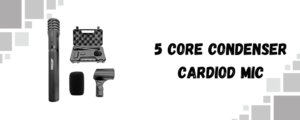
Perfect for: Snare, toms, the rowdy stuff—anywhere you need durability and tight, focused drum tone.
Behringer XM8500 Dynamic Cardioid Microphone
The Behringer XM8500 gets street cred as a budget beast:
- Shock Mounted Capsule: Reduces handling noise—a godsend for jumpy drummers or quick stand adjustments.
- Cardioid Pattern: Locks in on your drum, rejects everything else. Less bleed, less hassle.
- Pop Filter Built In: Tames plosives and keeps your mix cleaner out of the gate.
- Solid Build: Metal body, stage-ready, and can take a beating like a champ. Travel, gig, studio, repeat.
Perfect for: Snare, toms, and even backup vocals if you want one mic you can toss anywhere.
Which One Should You Pick?
- Go dynamic if: You’re miking loud, aggressive drums in noisy environments or live jams. Dynamics shrug off crowd noise and handle heat without flinching.
- Go condenser if: You’re recording in a treated studio, chasing detail and air—especially on cymbals, overheads, or softer snares.
- Both? Absolutely. Many top engineers use dynamic mics on kick and snare, then layer overhead condensers for sparkle.
Quick Comparison
| Feature | Dynamic Mic | Condenser Mic |
| Sensitivity | Lower; picks less room noise | Higher; captures subtle nuances |
| Frequency Range | Narrower; focused on punch | Wider; full spectrum of sound |
| Durability | Very rugged, almost indestructible | Fragile, needs careful handling |
| Power Required | None | Phantom power needed |
| Best Use | Loud drums, live settings | Studio overheads, cymbals, detailed |
Conclusion
Drum miking is not a one-size-fits-all affair. Use dynamics for the punch and the durability your drum kit needs live; save condensers for adding shine and glitter in the studio. Neither is “wrong” — it’s about knowing what your sound is, what your space is, and what your setup is.
Here you can also find amazing drum thrones; alternatively, browse our product page to find the best keyboard bench, audio mixers, drum mics, piano bench, keyboard stand, speakers, party speakers, and more.